I Fix Shit Funny Dad Mechanic Shirt: A Guide for Creators
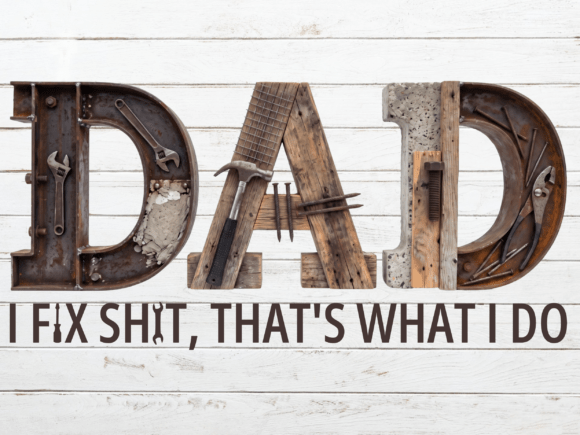
There is a specific kind of confidence required to walk into a garage, look at a broken engine, and know exactly how to make it run again. For many mechanics, handymen, and technicians, this ability is not just a job; it is a core part of their identity. Capturing that blue-collar swagger in a visual format requires more than just standard text. It requires grit, texture, and a design that doesn't apologize for getting its hands dirty. This is exactly where the "I Fix Shit – That’s What I Do" graphic enters the conversation, offering a raw, unapologetic aesthetic that resonates deeply with the trades community.
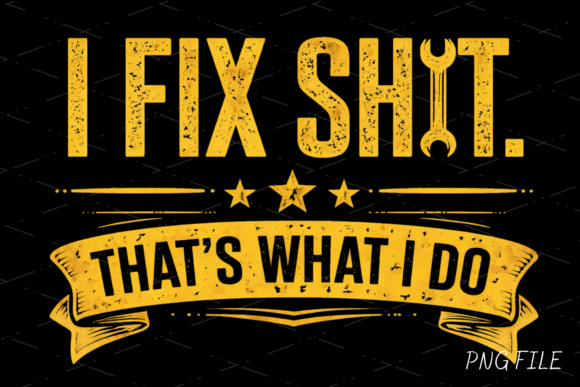
At first glance, the design strikes you with its bold, distressed typography. It avoids the sleek, clean lines of a corporate sans serif font, opting instead for a rugged, vintage-style lettering that looks like it has been through a few oil changes itself. The integration of a wrench directly into the lettering is not just a clever visual trick; it anchors the text to its purpose. It tells the viewer immediately what the text is about without needing a subtitle. This kind of visual shorthand is invaluable in apparel design and logo design, where you often have only a split second to communicate a message. The "badge layout" gives it a seal-of-approval feel, suggesting that the wearer has earned their stripes.
Visual Style and The "Fixer" Aesthetic
When you are working with a design asset like this, understanding its visual personality is key. This is not a delicate script font suitable for wedding invitations. It is a heavy-hitting display font style built for impact. The grunge texture applied to the letters adds a layer of authenticity that polished modern typography often lacks. In the world of brand identity, this texture communicates experience. It says, "I have been doing this for a long time, and I know what I am doing."
For designers and entrepreneurs, the appeal of the I Fix Shit Funny Dad Mechanic Shirt lies in its versatility within its niche. While it is explicitly designed for the automotive and repair crowd, the aesthetic principles apply to any brand that wants to project strength and reliability. Think about a local brewery, a construction firm, or a custom fabrication shop. They all share that same DNA of craftsmanship. Using this style of creative font or graphic on merchandise helps bridge the gap between the worker and the work.
The color palette implied by the design—likely stark whites or creams against dark backgrounds—mimics the look of old shop manuals or vintage garage signage. This is a powerful tool in packaging design and editorial design as well. If you are creating a zine about classic cars or designing a menu for a diner with a retro vibe, this typography sets the mood instantly. It doesn't just sit on the page; it demands attention.
Strategic Applications for Designers and Sellers
If you are a small business owner or a content creator looking to monetize your audience, understanding where this design fits best is crucial. The file comes as a high-resolution PNG with a transparent background, which makes it a plug-and-play solution for various products. Here is how you can practically apply this asset across different mediums:
- Apparel and Workwear: The primary use case. It works exceptionally well on heavy cotton t-shirts, hoodies, and sweatshirts. The distressed nature of the design means it pairs perfectly with garment-dyed fabrics, which often have a slightly worn look to begin with. It holds up visually even after the garment has been washed a few times, maintaining that rugged charm.
- Sublimation and DTF Transfers: Because the file is 4500 x 5400 px, it is print-ready for large-format applications. For those using Direct-to-Film (DTF) transfers, the transparency of the PNG ensures that the "ink" look doesn't have a white box around it, allowing the shirt color to become part of the design. This is vital for maintaining the professional finish that customers expect.
- Hard Goods and Accessories: Don't limit this to just fabric. Consider coffee mugs, travel tumblers, and tote bags. A mechanic needs a sturdy mug for their morning coffee just as much as they need a t-shirt. The bold typography ensures the message is readable even on curved surfaces, a common challenge in packaging design and product decoration.
For those running a Print-on-Demand (POD) store, this graphic fits into high-demand niches like "funny mechanic humor" or "handyman gifts." However, to stand out, avoid simply slapping the graphic on a white t-shirt and calling it a day. Think about your font pairing and mockup presentation. If you are adding custom text—perhaps "Est. 1985" or a specific shop name—choose a secondary typeface that complements the grit without fighting it. A simple, bold sans serif font often works best here to keep the hierarchy clear. The main graphic does the heavy lifting for personality, while the secondary text provides the information.
Technical Considerations for Production
From a production standpoint, working with high-contrast, distressed graphics requires a bit of attention to detail. Even though this is a premium font style asset, you need to ensure your production method supports the level of detail in the "grit."
For example, if you are using screen printing, very fine dots in the distressed texture can sometimes clog the screen if the mesh count isn't high enough. In this scenario, a DTG (Direct to Garment) or DTF method is often superior because it handles the halftones and texture variations of the design much better. This allows the "vintage" look to come through exactly as intended.
Furthermore, consider the fabric color. This design is meant to be bold. While it can work on light colors, the impact is often greatest on darker backgrounds—black, charcoal, navy, or dark green. These colors provide the necessary contrast to make the white or cream lettering pop, mimicking the high-visibility safety colors often found in actual garages and workshops. This attention to color theory is a small detail that significantly boosts the perceived value of the final product.
Connecting with the Audience
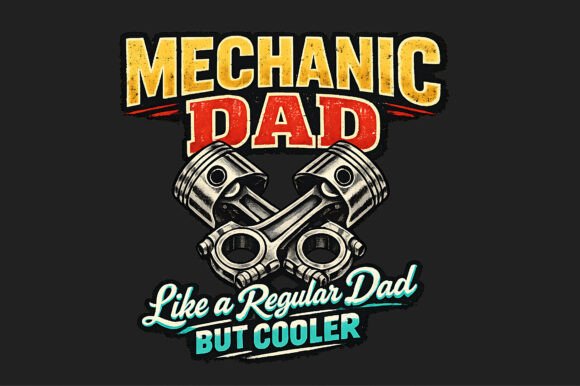
Ultimately, the success of a product featuring the I Fix Shit Funny Dad Mechanic Shirt design comes down to emotional connection. For the mechanic dad who spends his weekends in the garage, or the HVAC technician who takes pride in a job well done, this shirt is more than just clothing. It is a badge of honor. It validates their skills and their sense of humor.
When marketing these items, focus on the lifestyle. Use imagery that shows the product in a natural environment—perhaps a workshop bench or a garage setting. Avoid sterile, white-background studio shots if possible. Show the product being worn by real people who fit the demographic. This builds trust and helps the customer visualize themselves wearing the item.
In conclusion, this design asset is a robust tool for anyone in the creative or commercial space targeting the trades. It combines strong visual hierarchy with a distinct personality that is hard to replicate with standard fonts. By respecting the rugged aesthetic and applying it thoughtfully to the right products and markets, you can turn this simple PNG into a best-selling product line that speaks directly to the hardworking men and women who fix our world, one machine at a time.